
ChatGPT, Artificial Intelligence, and Today’s Classroom
Mastering AI & ChatGPT in Education: A Comparative Guide for K-12 Leaders & Teachers
Tags: EdTech Tips, EdTech, AI, Digital Literacy, Generative AI
Navigating the AI Revolution in K-12 Classrooms
The integration of artificial intelligence (AI), particularly generative AI tools like ChatGPT, is rapidly reshaping the educational landscape, demanding that K-12 leaders and teachers equip themselves with the knowledge and strategies to leverage these innovations effectively and ethically. This guide offers insights into understanding AI’s potential, addressing its challenges, and implementing responsible usage to enhance learning experiences and prepare students for an AI-powered future.
Just as the pencil, the typewriter, and the internet transformed communication and learning, generative AI stands as the next monumental leap in innovation. These advancements, from Nicolas-Jacques Conté’s essential graphite tool to Christopher Latham Sholes’ groundbreaking QWERTY typewriter, have consistently redefined how knowledge is accessed, created, and disseminated. Today, AI provides unprecedented opportunities for educational transformation.
What is Generative AI and How Does it Work in the Classroom?
Generative AI, exemplified by advanced models like ChatGPT and Google Bard, is a powerful subset of artificial intelligence capable of creating new content—including text, images, and code—by analyzing vast datasets and recognizing complex patterns, offering educators innovative ways to support learning through personalized content generation, idea stimulation, and research assistance. Understanding its core function is crucial for effective classroom integration.
Demystifying ChatGPT for Educators
ChatGPT, developed by OpenAI, is an artificial intelligence language model that leverages advanced natural language processing (NLP) to generate human-like text responses based on prompts, making it a versatile tool for creating lesson plans, summarizing complex topics, crafting creative writing prompts, or even facilitating mock debates within the K-12 classroom. Its ability to process and generate coherent text makes it a significant resource for educational content creation and inquiry.
This AI bot gathers information from a massive corpus of internet data and collective world knowledge to provide information in a conversational tone, mimicking human dialogue. For instance, asking ChatGPT, “What is Google Bard?” yields a concise, informative summary tailored to your query.
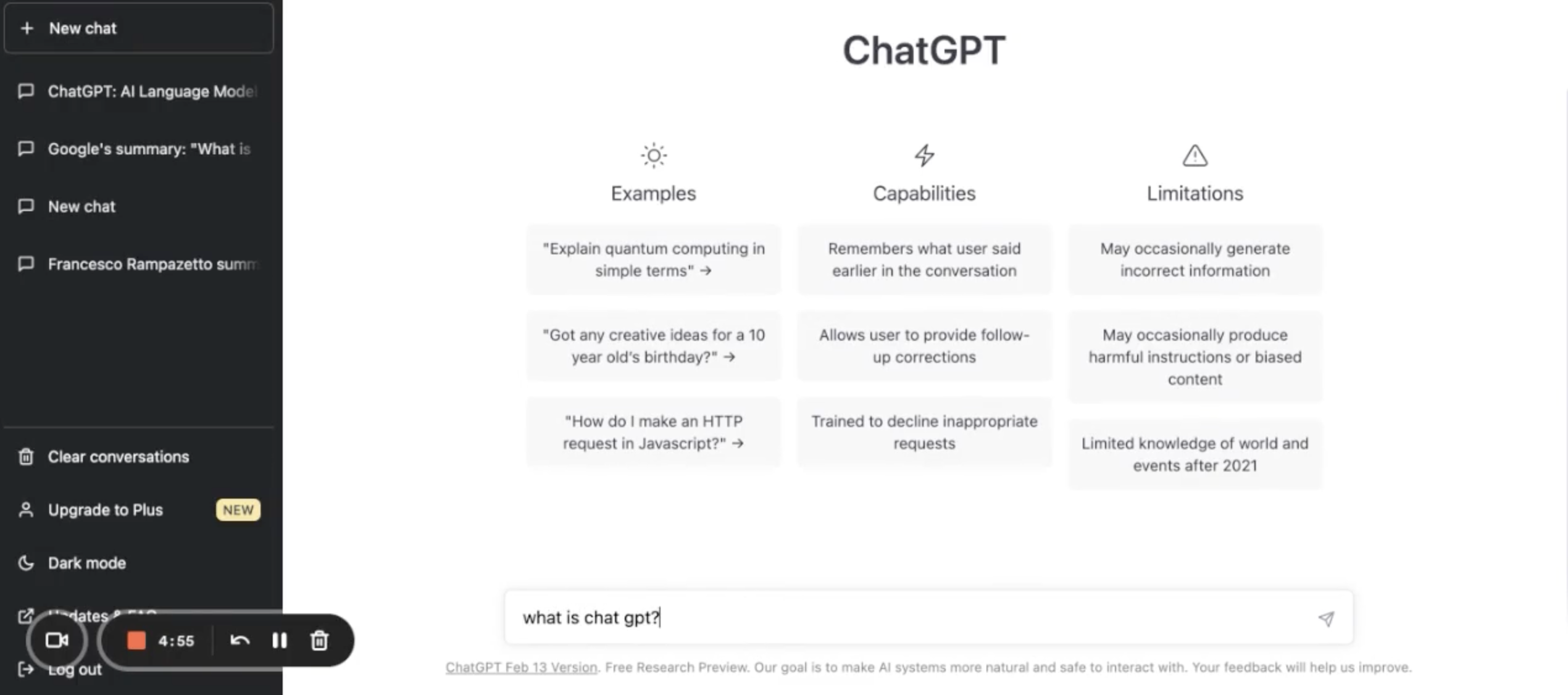
How does it work? Watch ChatGPT generate a prompt in the video above.
Google Bard: A Creative Companion for Learning
Google Bard is an experimental conversational AI service from Google, engineered to generate coherent and grammatically sound text, particularly for creative writing, poetry, and idea generation, leveraging Google’s extensive, up-to-date information ecosystem for broader, real-time insights compared to models with fixed knowledge cutoffs. Bard aims to be a direct competitor to ChatGPT, providing an alternative for educators.
While both ChatGPT and Google Bard are powerful generative AI tools, they offer distinct advantages for educators. Understanding these differences can help K-12 professionals choose the most appropriate tool for specific pedagogical needs.
ChatGPT vs. Google Bard: A Comparative Overview for Educators
When considering which generative AI tool to utilize in the classroom, educators can benefit from understanding the key distinctions between ChatGPT and Google Bard across several critical dimensions.
| Feature | ChatGPT (OpenAI) | Google Bard (Google AI) |
|---|---|---|
| Primary Focus | Versatile text generation, deep contextual understanding, creative writing, coding assistance. | Creative writing, poetry, summarization, real-time information access, broader web search integration. |
| Knowledge Cutoff | Historically has a knowledge cutoff (e.g., September 2021 for GPT-3.5), meaning it may not access the most current information. | Designed to access real-time information via Google Search, offering more up-to-date responses. |
| Data Sources | Trained on a massive, diverse dataset of text and code from the internet. | Leverages Google’s extensive web data, including search index, to provide current and contextual responses. |
| Strengths for Educators | Generating detailed explanations, drafting lesson plans, creating rubrics, crafting complex prompts, simulating conversations. | Accessing current events for discussions, brainstorming creative projects, summarizing web articles, providing diverse perspectives from live data. |
| Potential Limitations | May lack the most current information, can “hallucinate” facts if asked about post-cutoff events, requires careful fact-checking. | Still evolving, responses can vary in quality, may sometimes struggle with highly specialized or nuanced academic queries without specific prompting. |
Leveraging AI Responsibly: Opportunities and Challenges in K-12 Education
Integrating AI tools like ChatGPT into K-12 education presents dual opportunities for enhancing personalized learning and streamlining administrative tasks, alongside significant challenges related to maintaining academic integrity, ensuring digital equity, and providing comprehensive professional development for educators to effectively manage and ethically leverage these powerful new technologies. A balanced approach is essential for successful implementation.
Educational Benefits of AI in the Classroom
AI tools offer significant benefits by personalizing learning paths, automating routine tasks, providing instant feedback, and fostering critical thinking skills through guided inquiry and advanced research capabilities for both students and educators, ultimately leading to more engaging and effective instructional practices. These benefits directly address modern pedagogical goals within diverse learning environments.
Key opportunities for AI integration include:
- Personalized Learning Experiences: AI can adapt content and pace to individual student needs, offering differentiated instruction and support, which is critical for diverse learners.
- Automated Content Generation: Teachers can quickly generate quizzes, lesson plans, writing prompts, or even summary notes for complex topics, saving valuable time.
- Enhanced Accessibility: AI tools can translate content, provide text-to-speech options, and simplify complex language, benefiting students with varying learning styles and abilities.
- Feedback and Assessment: While not a replacement for human grading, AI can provide immediate, formative feedback on written assignments, grammar, and even code.
- Fostering Digital Literacy and Critical Thinking: Engaging with AI requires students to develop prompt engineering skills, critically evaluate AI outputs, and understand algorithmic processes.
To effectively harness these benefits, K-12 districts can partner with experts. Five Star Technology Solutions can help districts identify and implement AI tools that align with specific pedagogical goals, ensuring seamless integration and maximum educational impact across all grade levels.
Addressing the Challenges of AI Integration
Key challenges in integrating AI include maintaining academic integrity amidst easily generated content, ensuring robust data privacy and security for student information, navigating the knowledge cutoff of certain AI models which can lead to inaccuracies, and providing adequate professional development for educators to effectively manage and leverage these powerful new tools in a safe and educationally sound manner. Proactive strategies are vital for mitigating these risks.
Potential pitfalls that educators and administrators must navigate:
- Academic Integrity Concerns: The ease of generating essays or answers raises questions about plagiarism and authentic student learning. Schools need clear policies and strategies for detecting AI use and emphasizing process over product.
- Accuracy and Bias: AI models can sometimes “hallucinate” information or perpetuate biases present in their training data, necessitating critical evaluation of outputs by both teachers and students.
- Data Privacy and Security: Inputting student data into AI tools requires careful consideration of privacy policies and compliance with regulations like FERPA.
- Digital Divide: Unequal access to technology and internet connectivity can exacerbate existing inequities if AI integration is not planned thoughtfully to ensure equitable access.
- Ethical Implications: Beyond academic honesty, educators must discuss the broader ethical implications of AI, including its impact on jobs, decision-making, and societal structures.
Navigating these complexities requires expertise. Five Star Technology Solutions offers comprehensive professional development and strategic guidance to help schools develop robust AI ethics policies, implement responsible use frameworks, and address data security concerns.
Cultivating Digital Literacy & Citizenship in the Age of AI
Fostering robust digital literacy and citizenship is paramount in an AI-driven educational landscape, empowering students not only to critically evaluate AI-generated content for accuracy and bias but also to understand algorithmic principles, develop effective prompt engineering skills, and use technology ethically and productively as responsible global citizens. This foundational skill set prepares students for success beyond the classroom.
The role of the educator remains constant: to learn as much as possible about new tools and teach students how to use them responsibly. This means nurturing responsible daily decisions and increasing supervised opportunities to interact with technology.
Key areas to focus on include:
- Critical Evaluation: Teaching students to question, verify sources, and understand the limitations of AI-generated information.
- Source Verification: Emphasizing the importance of cross-referencing AI outputs with credible human-authored sources.
- Ethical Use: Discussing intellectual property, plagiarism, data privacy, and the responsible application of AI in academic and personal contexts.
- Algorithmic Understanding: Providing foundational knowledge about how AI works, including concepts like machine learning (ML) and natural language processing (NLP), to demystify the technology.
- Creative Application: Encouraging students to use AI as a tool for brainstorming, drafting, and problem-solving, rather than a substitute for original thought.
Artificial intelligence and machine learning are not new; they underpin many everyday technologies, such as predictable text in an email or personalized recommendations. The more these tools are understood and used ethically, the better the results for users. When there is a healthy competition of tools, the user typically wins, driving continuous improvement.
Five Star Technology Solutions supports schools in developing robust digital citizenship curricula and integrating tools that promote critical thinking and ethical engagement with AI, ensuring students are well-prepared for a technology-rich future.
Actionable Strategies for Integrating AI Tools in Your Classroom
Educators can actively integrate AI by beginning with familiar, embedded tools like Google Workspace’s AI features, dedicating specific lesson time to explore ChatGPT’s capabilities and inherent limitations, and engaging in continuous professional learning to develop effective pedagogical strategies for AI-enhanced learning environments that prioritize student agency and critical thinking. This phased approach allows for gradual, confident adoption.
Practical Applications for Teachers
Practical applications for teachers include using AI for generating diverse writing prompts tailored to different learning levels, creating differentiated reading materials for varied student proficiencies, designing interactive quizzes that provide instant feedback, personalizing student feedback on assignments, and assisting with lesson planning and curriculum development to streamline administrative tasks. These uses empower educators to focus more on student engagement.
Consider these strategies:
- Brainstorming Partner: Use ChatGPT or Bard to generate ideas for lesson plans, project topics, or creative writing prompts.
- Differentiated Content: Ask AI to rephrase complex texts into simpler language or summarize lengthy articles for struggling readers, or expand on topics for advanced learners.
- Socratic Method Support: AI can simulate a Socratic dialogue, helping students practice critical thinking and argumentation.
- Feedback Assistant: Generate examples of strong and weak responses to assignments, allowing students to compare and refine their own work.
- Curriculum Development: Use AI to suggest supplementary resources, align content with ISTE Standards, or develop rubric criteria.
Empowering Students with AI Literacy
Empowering students with AI literacy involves teaching them how to craft effective prompts to elicit desired responses, critically analyze AI outputs for accuracy, bias, and completeness, understand the ethical implications of AI use, and strategically leverage AI as a powerful productivity and learning aid while consistently maintaining and valuing their unique human creativity and critical judgment. This approach cultivates responsible digital scholars.
Equip your students by teaching them:
- Prompt Engineering: How to write clear, specific, and effective prompts to get the best results from AI.
- Critical Analysis: Skills to evaluate AI-generated content for factual accuracy, potential biases, and completeness.
- Ethical Considerations: The importance of citing AI tools, understanding data privacy, and avoiding over-reliance.
- AI as a Tool: How to use AI for research, brainstorming, language practice, and creative expression without replacing their own thought processes.
Explore AI/ML tools already embedded within Google Workspace for Education. For example, the Explore tool in Google Docs and the embedded summary feature in various Google applications create immediate opportunities to learn something new in a familiar digital environment. Resources like the collection from the Indiana Learning Lab can be invaluable as you continue to support your staff, colleagues, and students.
Five Star Technology Solutions can assist your district in optimizing your Google Workspace for Education environment to maximize AI-driven learning tools and provide ongoing professional development and support for educators and administrators.
Frequently Asked Questions (FAQs) about AI in Education
Educators frequently inquire about AI’s impact on academic integrity, its role in personalized learning for diverse student needs, effective strategies to address potential biases in AI outputs, and the best practices for introducing these powerful tools responsibly within the K-12 classroom setting. Addressing these common concerns is vital for confident AI adoption.
Q: How can educators detect AI-generated content in student submissions?
A: While dedicated AI detection tools exist, their reliability is still evolving. Educators should prioritize teaching strong writing processes, focusing on rough drafts, revisions, and student voice, which are harder for AI to replicate. Encourage students to explain their thought process, cite sources, and engage in oral presentations. Authentic assessment tasks that require critical thinking, problem-solving, and unique perspectives also help differentiate human creativity from AI-generated text.
Q: What are the ethical considerations when using AI with students?
A: Ethical considerations include ensuring student data privacy and security, addressing potential biases within AI outputs, preventing over-reliance on AI that stifles critical thinking, and promoting transparency about AI use. It is crucial to teach students about responsible AI interaction, intellectual property, and the importance of human oversight in all AI applications.
Q: How does AI support personalized learning for diverse student needs?
A: AI can significantly support personalized learning by generating differentiated content, adapting learning paths based on student performance, providing instant, targeted feedback, and automating basic tasks to free up teacher time for individualized instruction. This enables educators to better address the unique needs of all students, from those requiring remediation to those seeking enrichment opportunities.
Partner with Five Star Technology Solutions for AI-Ready Classrooms
Five Star Technology Solutions is a dedicated partner for K-12 districts aiming to confidently integrate AI into their educational ecosystem, offering expert guidance, customized professional development, and robust technology solutions to ensure equitable, effective, and ethically sound AI adoption across all grade levels. We empower educators to leverage cutting-edge tools for enhanced learning outcomes.
Navigating the rapid advancements of AI requires a trusted partner. Our team provides strategic planning, implementation support, and ongoing training to help your school district embrace AI as a transformative force in education, preparing both teachers and students for the future.
Ready to explore how AI can elevate learning in your district? Contact Five Star Technology Solutions today to discuss your unique needs and chart a course for an AI-powered future.
Conclusion: Embracing the Future of Learning with AI
The integration of AI into education is an inevitable and transformative evolution, presenting educators with unparalleled opportunities to innovate pedagogical practices, prepare students for a future workplace, and continuously adapt to new technological advancements for enhanced learning outcomes. Embracing this shift proactively ensures that K-12 institutions remain at the forefront of educational excellence.
As the renowned innovation guru Clayton Christensen once said, “Innovation opportunities are like buses, there’s always another one coming,” but they also come with the challenge of “navigating the organizational and cultural barriers that can impede progress.” – (This quote was generated with ChatGPT, demonstrating its capability).
With any new innovation, there will always be challenges and opportunities to learn and grow. It’s time to get on the bus and empower our students and educators with the tools of tomorrow.